From 'Party Monica' to Recovery Leadership & Purpose

Updated: Sep 18
Why My First Speaking Engagement Changed Everything
When I agreed to share my recovery story at Recovery Friendly Leader's Leadership Social, I had it all mapped out. Five-minute presentation. Clean bullet points. Professional, impactful, and simple, that was the goal.
What actually happened? Thirteen minutes of raw emotion, jumping between thoughts, and basically throwing my carefully crafted notes out the window.
And you know what? It was exactly what needed to happen.
The Plan vs. Reality
I prepped like I usually do, with a detailed plan that comes together last minute. I had my talking points organized, my timeline mapped, and my message crystal clear. I was going to share my story professionally, hit the key points, and sit down. Easy.
But here's the thing about recovery stories: they don't fit into neat little boxes, especially when you're telling them for the first time to a room full of strangers.
The moment I started talking, every emotion I'd carefully tucked away came flooding back. The fear, the shame, the uncertainty of those early days. The way people looked at me differently when they realized I was no longer the version of Monica they knew.
"I don't know this version of Monica. Only party Monica."
Those words hit me harder than I expected when someone said them months ago, and they came rushing back as I stood in front of that group. Because the truth is, I barely knew this version of myself either.
Why Firsts Are So Damn Scary
Speaking about recovery for the first time professionally felt like standing naked on a construction site. Vulnerable doesn't even begin to cover it.
In construction, we're taught to have our act together. Show up, get the job done, don't let personal stuff interfere with the work. As a women in construction, it's making sure you're not "too emotional" or "dramatic". Mental health? Addiction? Those topics get whispered about behind your back, not discussed in leadership meetings.
But standing there, sharing my story, I realized something crucial: the very things that make us feel most vulnerable are often what make us most effective as leaders.
My thirteen minutes of "all over the place" storytelling wasn't a failure; it was authentic. And authenticity is exactly what the world needs more of when it comes to mental health and recovery.
The Investment That Changed Everything
Recently, I made a major investment in my vision for Copper Penny Coaching. New website, updated branding, professional development, the works (HUGE shoutout to Amber by the way). It wasn't just about money; it was about putting my full faith behind this work.
Some people questioned it. Hell, I questioned it. But recovery taught me something about taking calculated risks for your future self.
When I was active in my addiction, every decision was about immediate gratification, short-term thinking. Recovery flipped that script. Now, every major decision gets filtered through this question:
"Is this moving me toward the person I want to become, or away from her?"
This investment? It's moving me toward becoming the leader I wish I'd had during my darkest days.
Learning to Say No (And Why It Matters)
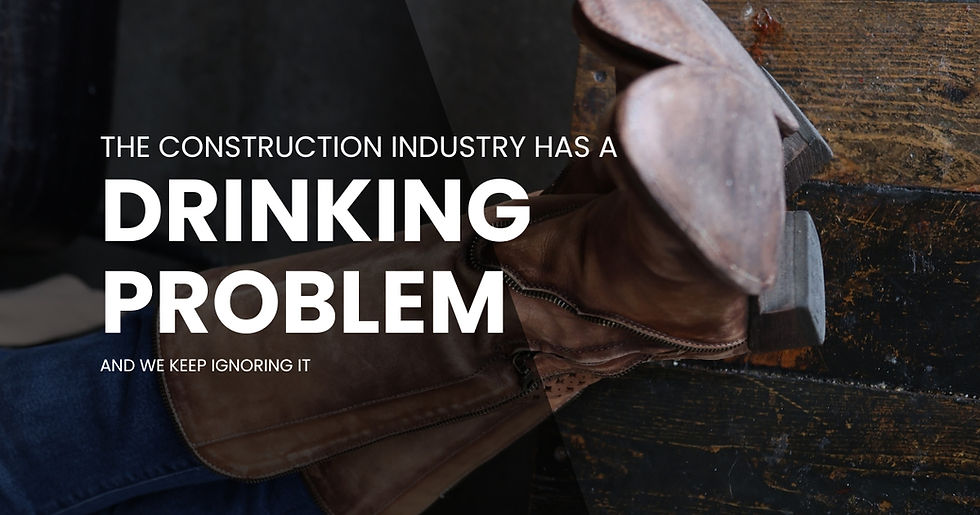
One of the biggest changes in my recovery has been learning to say no to after-work events that center around drinking. In construction, that's... well, that's a large part of them.
At first, it felt isolating. Like I was choosing recovery over relationships. But what I discovered is that the relationships worth having adapted. The ones that didn't? They probably weren't serving me anyway.
This boundary-setting isn't just about alcohol; it's about setting clear limits. It's about energy management, value alignment, and showing up as your authentic self in professional settings. It's recovery-informed leadership in action.
What Grace and Vulnerability Actually Look Like
That messy first speaking engagement taught me something profound about leadership: people don't connect with perfection. They connect with authenticity, vulnerability, and the courage to show up even when it's uncomfortable.
In construction, we talk about safety protocols all the time. Helmet? Check. Safety Vest? Check. Eye Protection? Check. But what about emotional safety PPE? What about creating environments where people can share their struggles before they become crises?
My story isn't polished, and that's the point. Recovery isn't linear. Leadership isn't either. The real work happens in the messy middle, where you're figuring it out as you go and trusting that your experience, however imperfect, can help someone else.
The Reel That Changed My Perspective
After that speaking engagement, I created a social media reel about the experience. Nothing fancy, just an honest reflection about making big moves and betting on yourself.
The response was overwhelming. People reached out to share their own stories, their own struggles with finding their authentic voice in professional settings. That's when it clicked: my messy first attempt wasn't a mistake. It was exactly what people needed to hear.
Lessons Learned: Leaning Into the Discomfort
Here's what I wish someone had told me before my first speaking engagement about recovery:
Your story doesn't have to be perfect to be powerful.
In fact, the rough edges are often what people connect with most.
Emotions aren't weaknesses; they're data.
That flood of feelings during my presentation wasn't a failure; it was proof that this work matters deeply to me.
Authenticity beats polish every single time.
People can smell BS from a mile away, especially in construction. But genuine vulnerability? That cuts through all the noise.
Your experience has value, even if it feels messy.
Someone in that room needed to hear that it's okay to struggle, okay to be imperfect, okay to be figuring it out as you go.
Where This All Leads
Recovery-informed leadership isn't about having all the answers. It's about showing up authentically, creating psychological safety for others, and addressing systemic issues instead of just treating symptoms.
That first speaking engagement was messy, emotional, and nothing like I planned. It was also the moment I fully stepped into this work, not as someone who had it all figured out, but as someone committed to doing the work alongside the people I serve.
Here's the truth: the construction industry (or any workplace in that matter) doesn't need more people pretending they have it all together. It needs leaders willing to be honest about the struggle, the growth, and the ongoing work of becoming who they're meant to be.
That's what recovery-informed leadership looks like. That's what authentic change requires.
And if my messy first attempt can help one person feel less alone in their own journey, then those thirteen minutes of imperfect storytelling were exactly what they were supposed to be.
Ready to have honest conversations about recovery-informed leadership in your workplace?

Book a Discovery Call
Whether you're exploring organizational consulting, individual coaching, or have questions about our approach, we'd like to hear from you.
If you're looking to dive deeper...

Book a Blueprint Session
The Blueprint is a 90-minute working session that finds the system underneath the problem and gets you moving — $297, virtual, open to anyone navigating a pattern they can't break alone.

Comments